

 Last Updated – June 12, 2026
Merel Family Law
Naperville Order of Protection Lawyer
Providing Professional, Reputable and Approachable Legal Counsel.

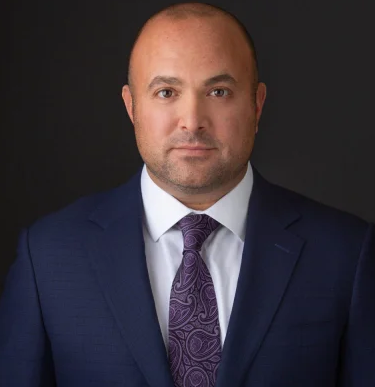
Written/Reviewed by:
Last Updated – June 12, 2026 Read Time – Est:
Naperville Order of Protection Lawyer
Order of protection representation guided by more than 15 years of family law work on behalf of Naperville clients.
If you’ve been threatened, harmed, or stalked in Naperville, or if someone has filed an order of protection against you, you need an attorney who handles these matters with urgency and efficiency. Merel Family Law has handled orders of protection on both sides for more than 15 years. Our Naperville, IL order of protection lawyer covers emergency, interim, and plenary orders, plus defending clients served with petitions. Contact our office today to schedule a consultation.
Order of Protection Lawyer Naperville, IL
An order of protection is a civil court order that restricts contact, behavior, and proximity by one person against another. Illinois law makes them available to victims of domestic violence, harassment, intimidation, or interference with personal liberty by a family or household member. The court can prohibit contact, exclude a respondent from a shared residence, set custody and parenting time terms on a temporary basis, and require surrender of firearms. These cases often move quickly. Emergency orders can be entered the same day. Plenary orders follow a hearing scheduled within about three weeks.
Types of Order of Protection Cases We Handle in Naperville
Order of protection cases come in several forms under Illinois law. Some clients need an immediate emergency order to leave a violent home safely. Others have been served with petitions they believe are exaggerated or fabricated. Our Naperville order of protection attorneys handle both sides, and we adjust our approach based on the urgency and facts of each case.
- Emergency orders of protection. EOPs are entered ex parte (without the other party present) when there’s an immediate danger of abuse. They typically last up to 21 days. We file emergency petitions on the same day in urgent situations and prepare the supporting affidavit so the court can act on the strongest version of the facts.
- Interim orders of protection. These bridge the gap between an emergency order and a plenary order when more time is needed for service or scheduling. We handle the procedural side so clients stay protected through the intervening period.
- Plenary orders of protection. The longer-term order was entered after a full hearing where both parties presented evidence. Plenary orders can last up to two years and require admissible proof of abuse, harassment, or interference. Preparing the petition or response is the central work.
- Defending against a petition. When someone is served with a petition for an order of protection, the consequences extend beyond contact restrictions. An order can affect employment, firearm rights, parenting time, immigration status, and housing. Our Naperville order of protection lawyer can represent respondents at every stage, from the initial appearance through the plenary hearing.
- Cross-petitions. In some cases, the responding party also has grounds for protection against the petitioner. Cross-petitions require careful framing to avoid undercutting either party’s claim.
- Stalking no-contact orders. A separate civil remedy for non-family situations involving stalking. These cases follow procedures distinct from family no-contact orders and apply when there’s no qualifying relationship between the parties.
- Civil no-contact orders. Available to survivors of non-consensual sexual conduct regardless of relationship. The statutory standards and available relief differ from family orders of protection.
- Modifications and renewals. Plenary orders can be modified or extended before expiration when circumstances justify. We handle modification petitions and renewal filings before existing orders lapse, including addressing violations through contempt proceedings when needed.
- Orders of protection within divorce or custody cases. When abuse is part of a dissolution or parenting case, the order of protection can be filed within the family court action. We coordinate the protection-order strategy with the broader case.
Why Choose Merel Family Law for Order of Protection Cases in Naperville, IL?
Experience on Both Sides of the Petition
Most attorneys handle order of protection cases from only one side. Some represent petitioners. Others defend respondents. We do both, and that matters because each side requires different evidence, different framing, and different anticipation of the opposing argument. As a family lawyer in Naperville, IL, our practice has included emergency petitions filed within hours of first contact with a client, and defense of clients facing petitions they believe overstate the situation.
Founder Jonathan Merel built the firm with this broader perspective in mind. Attorneys David Zwaska and Josephine Norton bring additional courtroom experience in protection-order hearings and the divorce or custody cases that often run alongside them. Our attorneys are members of the Chicago Bar Association, the Illinois State Bar Association, and the American Bar Association.
Same-Day Response When the Stakes Justify It
Some protection situations cannot wait, requiring help from our Naperville order of protection lawyer immediately. We’ve filed emergency petitions on the same day a client contacts us when the facts support it, and we’ve appeared in court within 48 hours when service of process and judicial calendars allowed. Speed alone doesn’t win these cases. But missing a window for emergency relief can leave a client unprotected through a critical period.
What Is Important to Understand About Order of Protection Cases?
Eligibility, Covered Conduct, and Available Relief
Illinois orders of protection are available to people in qualifying relationships with the alleged abuser. The eligible petitioner categories include:
- Spouses, former spouses, and intimate partners
- Family or household members (parents, children, stepchildren, siblings, and those related by blood)
- Persons sharing or who formerly shared a residence
- Persons who have or allegedly have a child together
- Personal care assistants and the persons with disabilities they care for
The conduct that qualifies as abuse under Illinois law is broader than physical violence, including:
- Physical abuse (hitting, restraining, sexual assault, knowing exposure to substantial bodily harm)
- Harassment that would cause a reasonable person emotional distress
- Intimidation of a dependent
- Interference with personal liberty
- Willful deprivation of necessary care for a vulnerable adult or child
Courts can issue a range of relief, including no-contact provisions, exclusion from a shared residence, temporary parenting time allocations, counseling requirements, and firearm surrender. The specific remedies depend on the type of order and the facts presented at the hearing.
What Are Important Aspects of an Order of Protection Case?
A few aspects tend to determine the outcome:
- Documentation of the alleged conduct (texts, photos, medical records, police reports, witness statements)
- Credibility of the testimony at the hearing
- The chronology and pattern, not just isolated incidents
- The specific relief sought, and whether it matches what the court can actually grant
- For respondents, whether the petition relies on broad allegations or evidence courts accept
- The cross-implications for any pending divorce, custody, or criminal matter
What Is the Order of Protection Case Timeline?
Order of protection cases move on the fastest timeline in family court. The progression usually looks like this:
- Petition filed with the circuit court
- Emergency order entered ex parte when grounds exist (typically the same day)
- Service of the petition on the respondent
- Interim order if needed before the plenary hearing
- Plenary hearing scheduled within about 21 days of the emergency order
- Entry of plenary order (up to two years) or denial after hearing
Modifications, renewals, and enforcement actions follow as needed throughout the order’s duration, which our Naperville order of protection lawyer can keep you informed of.
What Should You Bring to Your Order of Protection Consultation?
For protection cases, the first meeting should focus on getting the facts and the evidence in front of an attorney quickly. Bring what you have access to safely:
- A written chronology of the incidents, as detailed as you can manage
- Any saved messages, photos, or recordings relevant to the alleged conduct
- Police reports, medical records, and any prior protective orders
- Names and contact information for any witnesses
- Pending court orders involving the same parties (divorce, custody, criminal cases)
- For respondents, the petition served on you and any supporting documents
We use the first meeting to assess eligibility, identify the strongest available remedy, and discuss whether to move immediately on an emergency petition or take more time to build the record. Many decisions in protection cases get made in the first 48 hours, and that’s where preparation pays off.
What Are Important Illinois Legal Resources for Order of Protection Cases?
Illinois domestic violence and protection-order law sits across several connected statutes, with court rules and victim-service resources supplementing them. The following are useful starting points:
- The Illinois Domestic Violence Act governs the eligibility, procedures, and available relief for orders of protection.
- The Coalition Against Domestic Violence maintains a directory of victim service providers and crisis resources across Illinois.
- The Illinois Courts forms library publishes the standardized statewide order of protection petition forms.
- The DuPage Court family page covers the procedure for cases filed in Naperville.
- The Illinois Legal Aid site offers plain-language guidance on the order of protection process.
These resources offer background. They aren’t, however, a substitute for working with our Naperville order of protection lawyer. In an emergency, call 911 or contact a local domestic violence hotline.
Reach Out to Merel Family Law to Schedule a Consultation
Order of protection cases move faster than almost any other family court matter. Whether you need to file an emergency petition or you’ve been served with one, the first 48 hours often determine the path of the case. Our Naperville order of protection attorneys can review your situation and outline your options promptly. Contact us today to schedule a confidential consultation.
