

 Last Updated – October 20, 2026
Merel Family Law
Rochester Hills Divorce Lawyer
Providing Professional, Reputable and Approachable Legal Counsel.

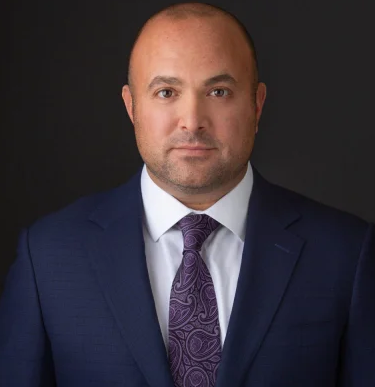
Written/Reviewed by:
Last Updated – October 20, 2026 Read Time – Est:
Rochester Hills Divorce Lawyer
Divorce Lawyer Rochester Hills, MI
 If you are facing a divorce in Rochester Hills, you are probably wondering where to even begin. Our Rochester Hills, MI divorce lawyer at Merel Family Law is here to help you navigate this process with clarity and purpose. Our firm has been handling divorce and family law matters since 2009, and our attorneys bring a combined 221 years of experience across every type of case in this area of law. Contact us to schedule a consultation.
Why Choose Merel Family Law for Divorce in Rochester Hills, MI?
 Founded by an Attorney Admitted to Practice in Michigan
 Founded by an Attorney Admitted to Practice in Michigan
Jonathan Merel founded the firm in 2009. He holds bar admissions in Illinois, Wisconsin, and Michigan. Attorney Merel has built a reputation handling high-conflict divorces, contested custody matters, and cases involving multi-million dollar marital estates. He has been selected for inclusion in Best Lawyers in America in the field of Family Law and has also been recognized by Super Lawyers. He graduated from Chicago-Kent College of Law and holds memberships in the Chicago Bar Association, the Illinois State Bar Association, and the American Bar Association.
A Team With 221 Years of Combined Experience
Our Merel Family Law attorneys have handled thousands of cases across Illinois and Michigan. We have been in high-stakes negotiations and represented clients dealing with a variety of complex divorce matters. From straightforward uncontested proceedings to drawn-out and highly contested battles involving businesses, pensions, and custody disputes, we have the experience that you need. When you are choosing a family lawyer in Rochester Hills, MI, our firm’s experience in handling Michigan family law is one of the most important factors to consider.
Focused on Real Outcomes, Not Just Process
We understand that decisions made during a divorce can follow you for many years. The outcome for spousal support terms, custody arrangements, and how retirement accounts get divided are important. We give clients a realistic perspective on their situation while advocating for their best interests. We fight hard for outcomes that make our client’s lives easier, especially amidst a difficult legal process.
What Our Clients Say
⭐⭐⭐⭐⭐
“I cannot begin with this Firm.. Headline- FANTASTIC EXPERIENCE. Divorced and happy. my experience started when I had a phone call with the founder, Jonathan Merel. I cried during that conversation, and despite all the clients he’s had over the years, he received my tears with understanding and empathy. I decided to trust him and become a client.” – keri Lindsay
Read more reviews on our Google Business Profile.
Types of Divorce Cases We Handle in Rochester Hills
T he practice area of divorce covers a broad range of situations, and each one necessitates a different approach. Here is an overview of the types of cases our Rochester Hills divorce attorneys handle.
- High-asset divorce. When significant assets are involved, including real estate, investment portfolios, deferred compensation, and business interests, the stakes are high and the margin for error is small. We work with financial professionals when needed to ensure the full marital estate is identified and fairly valued.
- Property division. Michigan courts divide marital property based on equitable distribution principles, which means fair but not necessarily equal. We help clients understand what they’re entitled to and advocate for a division that reflects their contributions and circumstances.
- Alimony / spousal support. Whether you expect to pay or receive support, the terms of a spousal support order can affect your finances for years. We analyze the relevant factors under Michigan law and build arguments based on the full picture of both parties’ situations.
- Child custody. Custody is often the most emotionally charged part of any divorce proceeding. We represent parents on both sides of custody disputes, always with the child’s best interests at the center of our approach.
- Prenuptial and postnuptial agreements. Whether you need an agreement drafted before marriage or want to understand how an existing one will hold up in court, our attorneys can review and advise on prenuptial and postnuptial agreement enforceability under Michigan law.
- LGBTQ+ divorce. Same-sex couples face a distinct set of legal considerations in divorce, particularly where parentage and earlier legal relationships under civil unions may complicate the proceedings. We handle these cases with the care and specificity they require.
- High-conflict divorce. When one party is uncooperative, the process escalates quickly. Our attorneys know how to manage litigation when the other side won’t negotiate in good faith, and we don’t let conflict derail our clients’ outcomes.
- Divorce mediation. Not every case needs to go to trial. When both parties are willing to work toward a negotiated resolution, mediation can save time, money, and emotional energy. We represent clients through the mediation process to help achieve fair agreements outside the courtroom.
Michigan Legal Requirements for Divorce
 Before a Michigan court can grant a divorce, certain procedural and residency requirements must be met. These technicalities can directly affect when and how your case can proceed.
Under MCL 552.9, at least one spouse must have resided in Michigan for 180 days immediately before filing, and must have lived in the county where the complaint is filed for at least 10 days. If the cause for divorce arose outside Michigan, MCL 552.9e extends that state residency requirement to one full year.
Michigan imposes mandatory waiting periods before a divorce can be finalized. Under MCL 552.9f, no testimony may be taken until 60 days after the complaint is filed. When minor children are involved, that period extends to 180 days. Courts generally cannot shorten the 180-day period except in cases of unusual hardship.
Michigan is a no-fault divorce state. Under MCL 552.6, the only required ground is that there has been a breakdown in the marriage relationship with no reasonable likelihood of the marriage being preserved. You don’t need to prove fault, and the other spouse cannot block the divorce by disagreeing.
Michigan courts divide marital property using equitable distribution principles under MCL 552.19. This means fair under the circumstances, not automatically 50/50. Separate property, meaning assets owned before the marriage or received as a gift or inheritance during it, is generally not subject to division. Though there are exceptions when separate and marital assets have become commingled together. Understanding these requirements from the start can prevent procedural mistakes that delay or complicate your case.
Important Aspects of a Rochester Hills Divorce Case
 Property Division and the Marital Estate
 Property Division and the Marital Estate
Assets and debts acquired during the marriage generally belong to the marital estate. That includes real estate, retirement accounts, vehicles, and business interests. What you owned before the marriage, or received as a gift or inheritance, typically stays yours. But commingling, using premarital savings to fund a jointly-owned investment property, can blur boundaries considerably.
Spousal Support
Michigan courts look at a long list of factors when deciding whether to award spousal support and for how long. Under MCL 552.23, the court considers each party’s ability to pay, the length of the marriage, each spouse’s contributions, the standard of living established during the marriage, and the needs of the parties going forward. There is no fixed formula as with child support determinations.
Child Custody and Parenting Time
Michigan courts use a “best interests of the child” standard when resolving custody disputes. The factors are laid out in the Michigan Child Custody Act, and they cover everything from each parent’s capacity to provide love and guidance, to the child’s existing relationships and preference depending on age. Courts distinguish between legal custody, which covers decision-making, and physical custody, which addresses where the child lives. How parenting time is structured has long-term implications, and we take these outcomes very seriously.
Contested vs. Uncontested Proceedings
Some Rochester Hills divorces resolve without ever going to trial. Both spouses agree on the key terms and the court simply approves the settlement. Others are contested from the start, with disagreement on property, custody, or support. And other cases begin as uncontested but escalate or grow contentious. Knowing which path your case is on affects strategy, timing, and cost. We help clients assess where they are realistically in the divorce process and then plan accordingly.
Digital Evidence and Social Media
Courts increasingly see evidence drawn from texts, emails, and social media posts in divorce proceedings. What you communicate to others online matters, and so does what your spouse says too. Mishandling digital evidence can damage your credibility with the court. Understanding how texts and posts affect your case is something every divorcing spouse needs to consider, and not just in contentious proceedings.
Financial Records and Disclosure
Full financial disclosure is required in Michigan divorce cases. Both parties must provide a complete picture of income, assets, and debts. When one spouse controls the finances or has been less than transparent, discovery becomes critical. We know how to identify hidden assets, work with forensic accountants when necessary, and push for proper disclosure through the court process.
Contact Merel Family Law
 If you are considering a divorce in Rochester Hills, the time to get legal counsel involved is sooner rather than later. Decisions made early in the process can shape the entire outcome of your divorce. Our Rochester Hills divorce attorney serves Oakland County clients through our Metro Detroit office. Contact us to schedule a consultation with a member of our team.
Divorce Statistics in Rochester Hills, MI
 Behind the legal process, divorce in Michigan follows some recognizable patterns. The state recorded more than 20,000 dissolutions in 2023, and Oakland County alone accounted for over 2,300. Marriages here don’t usually end quickly. According to Michigan vital records, the median length of a marriage at the point of divorce in 2023 was roughly nine and a half years, and closer to ten and a half years for first marriages. Children are part of the picture in a large share of cases. State figures show 16,918 children were involved in Michigan divorces and annulments that year. The CDC’s vital statistics program tracks these trends nationally for comparison. None of this decides your case. It does show that a Rochester Hills divorce often involves a long marriage, shared finances, and children, which is exactly where planning matters most.
Mistakes That Can Damage Your Divorce Case
 Most divorce damage is self-inflicted, which our Rochester Hills divorce lawyer can help you avoid. People act on emotion, move too fast, or assume the rules don’t apply to them, and it shows up later in the settlement. Here are the missteps that tend to cost the most.
- Hiding or moving money. Quietly draining an account or shifting assets to a friend before filing almost always surfaces later. Courts treat dissipation of assets as a serious problem and can adjust the property division to make up for it. Concealment tends to hurt the person who tries it.
- Treating social media like a diary. A vacation photo, an angry post, or a flashy new purchase can contradict what you’ve told the court about your finances or your parenting. What you put online, and what your texts and posts say, can become evidence. Assume the other side is watching.
- Letting anger run the case. Fighting over every dish and lamp to punish a spouse drives up cost and rarely changes the result. Judges notice who is being reasonable and who is not. Save your energy for the issues that actually affect your future.
- Spending recklessly once things go south. Large purchases or unusual withdrawals during a case raise questions and can be undone. Be careful about spending during divorce, because a court can scrutinize transactions made while the matter is pending.
- Agreeing to a settlement just to be done. The urge to end the stress is understandable, but a rushed agreement can lock in terms you’ll regret for years. Once a judgment is final, undoing it is hard. Understand what you are signing before you sign.
- Going it alone to save money. A DIY divorce can work for simple, amicable cases, but it backfires when children, real assets, or any genuine disagreement are involved. Fixing a flawed judgment usually costs more than getting it right the first time.
- Putting kids in the middle. Venting about your spouse in front of the children, or using them to carry messages harms them and weakens your custody position. Courts favor parents who protect their children from the conflict.
- Ignoring the long-term financial picture. Keeping a house you can’t afford or overlooking tax consequences can leave you worse off after the divorce than during it. Look past the moment of settlement to what your budget actually looks like a year out.
Rochester Hills Divorce Lawyer FAQs
How Do I Start a Divorce in Michigan?
 How Do I Start a Divorce in Michigan?
You begin by filing a complaint for divorce with the circuit court in the county where you meet the residency requirement. Your spouse is then served and has a chance to respond. From there, the case moves through disclosure, negotiation, and either settlement or trial. Our Rochester Hills divorce attorneys can walk you through what to expect once your case is filed.
Can My Spouse Stop the Divorce?
No. Michigan is a no-fault state, which means one spouse wanting the marriage to end is enough. Your spouse cannot keep you married by refusing to sign or participate. They can make the process slower and more contested, but they cannot block the divorce itself.
How Long Will My Divorce Take?
It depends on your circumstances. Michigan requires a waiting period before a divorce can be finalized, and that period is longer when minor children are involved. Cases with heavy conflict over property or custody take longer still. An uncontested matter can move relatively quickly once the waiting period passes.
Will I Have to Go to Court?
Not necessarily. Many divorces are resolved through negotiation or mediation without a trial. Courts often encourage spouses to settle through mediation before scheduling a contested hearing. If the two sides cannot agree on the key terms, then a judge decides, and that does mean appearing in court.
How Much Does a Divorce Cost in Rochester Hills?
There is no single figure. An uncontested divorce with no children and few assets costs far less than a contested case involving custody, a business, or significant property. Attorney time, court fees, and any outside professionals all factor in. We give you a realistic estimate based on your situation during a consultation.
Who Gets the House?
It depends on whether the home is marital property and what each spouse needs going forward. Common options include one spouse buying out the other, selling and splitting the proceeds, or one party keeping it as part of the overall division. Deciding the marital home usually turns on the full financial picture.
How Are Retirement Accounts Divided?
Retirement savings built during the marriage are generally part of the marital estate. Dividing pensions and retirement accounts requires specific court orders to avoid taxes and penalties. The portion earned before the marriage is often treated as separate, though commingling can blur that line. Accurate records make this part go more smoothly.
What’s the Difference Between Contested and Uncontested?
An uncontested divorce means both spouses agree on the major terms, so the court mostly reviews and approves the agreement. A contested divorce means there is disagreement over property, support, or custody that has to be resolved. Knowing whether your case is contested or uncontested shapes strategy, cost, and timeline.
Can the Agreement Change After It’s Final?
Some parts can. Property division is generally permanent once the judgment is entered. Custody, parenting time, and support, by contrast, can be revisited when circumstances genuinely change. If your income shifts or a child’s needs change, we can help you modify support later or adjust a parenting arrangement.
How Do I Recover Financially After a Divorce?
Start by updating your budget, your accounts, your beneficiaries, and any shared obligations. Closing joint accounts and separating credit protects you going forward. It takes time to rebuild your finances, but a clear plan helps. We often point clients toward financial professionals who handle the post-divorce transition.
Local Information for Rochester Hills Divorce Cases
Rochester Hills Divorce Court and Local Resources
 Rochester Hills Divorce Court and Local Resources
A divorce filed by a Rochester Hills resident is handled by the Oakland County Circuit Court, Family Division, which is part of the Sixth Judicial Circuit. The courthouse and the clerk’s offices sit at 1200 N. Telegraph Road in Pontiac. You file the initial complaint and obtain court records through the clerk’s Legal Records Division, while the judge assigned to your case oversees hearings and the final judgment. The Friend of the Court becomes involved when children are part of the case, handling support, custody, and parenting time. Our Rochester Hills divorce lawyer can tell you which office to contact at each step.
What Are Important Local Resources for Rochester Hills Divorce?
A handful of Oakland County offices and organizations come up often during a divorce. The list below covers where to file, where to get help with support and custody, and where to turn for mediation or low-cost legal aid, but they’re not a replacement for working with our Rochester Hills divorce lawyer.
- Oakland County Circuit Court, Family Division, 248-858-0344. The court that hears and decides divorce cases for Rochester Hills residents.
- Oakland County Clerk’s Office, Legal Records Division, 248-858-0582. Where divorce complaints are filed, and circuit court records are obtained.
- Oakland County Friend of the Court, 248-858-0424. Manages child support, custody, and parenting time investigation and enforcement.
- Lakeshore Legal Aid, 1-888-783-8190. Free civil legal help, including divorce and custody, for low-income residents and seniors.
These resources are provided for general information only. Merel Family Law is not affiliated with any of them and does not endorse them.
About Merel Family Law
Beyond founder Jonathan Merel, the firm’s partners bring their own depth to divorce work. Bradley R. Kaye, a partner who earned his law degree at DePaul University College of Law, has guided clients through contested divorces, custody disputes, and post-judgment matters. Our attorneys have negotiated settlements and tried cases across Illinois and Michigan. When you hire our Rochester Hills divorce lawyer from our firm, you get someone who has argued these issues in front of a judge, not just on paper.
What Our Clients Say
⭐⭐⭐⭐⭐
“I worked with Brad Kaye and Mitch Dean for well over a year through my divorce and they were a fantastic team. They were both very patient and understanding during a turbulent period. They were always prepared and on the ball and I knew that I could trust their advice and judgment.” — David Barnhart
Read more reviews on our Google Business Profile.
Contact Merel Family Law
 A divorce reshapes your finances, your living situation, and your time with your children, so the decisions you make now deserve real attention. We can walk you through where you stand and what your options are, in plain terms, during a consultation. You’ll talk with our Rochester divorce lawyer, who handles divorce cases regularly, and we aim to get back to you quickly when you reach out. Contact us when you’re ready, and our Rochester Hills divorce attorney will help you map a sensible path forward.
