

 Last Updated – June 12, 2026
Merel Family Law
Park Ridge Collaborative Divorce Lawyer
Providing Professional, Reputable and Approachable Legal Counsel.

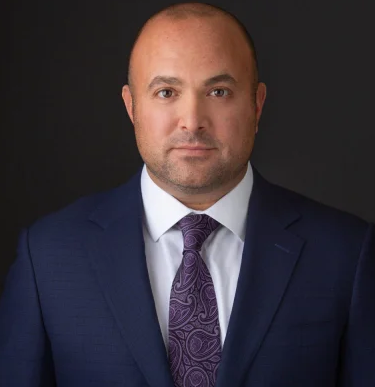
Written/Reviewed by:
Last Updated – June 12, 2026 Read Time – Est:
Park Ridge Collaborative Divorce Lawyer
Contact our office for a confidential case review with a Park Ridge, IL collaborative divorce lawyer.
If you and your spouse are considering divorce in Park Ridge and want to resolve the financial and parenting issues without contested litigation, the collaborative process may suit your situation. Merel Family Law represents clients who choose this structured negotiation model, and our attorneys can shift to litigation if the collaborative path stops working. With 21 attorneys across four offices, the firm has the depth to staff your case the right way. Call us today to schedule a consultation with our Park Ridge, IL collaborative divorce lawyer.
Collaborative Divorce Lawyer Park Ridge, IL
Collaborative divorce is a structured negotiation process recognized under Illinois law in which both spouses and their attorneys commit in writing to resolving the case without going to court. The parties often work alongside financial professionals and mental health professionals who support the development of an out-of-court agreement. The defining feature of the process is a participation agreement that requires both attorneys to withdraw if the case ends up in contested litigation.
A collaborative divorce attorney in Park Ridge represents one spouse throughout the process. Our team can advise on legal rights and obligations while working with opposing counsel toward a settlement. Most of the work happens through structured meetings and document exchanges rather than depositions or contested hearings.
Types of Collaborative Divorce Cases We Handle in Park Ridge
Collaborative practice can be used to handle nearly any matter that comes up in a dissolution case. Types of cases that our Park Ridge collaborative divorce lawyer can tackle include the following:
- Property division. Asset and debt allocation comes up in nearly every collaborative divorce, and the structured negotiation format works well for these issues when both parties are willing to share information openly with each other and the professionals involved.
- Spousal support. Maintenance amounts and duration can be negotiated without court intervention when both sides are willing to work through guideline calculations and the statutory deviation factors together.
- Alimony. Spouses who prefer to settle support obligations privately can negotiate the amount, structure, and tax considerations of payments through the collaborative process rather than through contested hearings.
- High-asset divorces. Couples with substantial assets often prefer the privacy of the collaborative process, which keeps financial details out of public court filings while still allowing for thorough analysis with retained financial professionals.
- Complex divorces. Even cases involving business interests, executive compensation, or unusual financial structures can be handled through the collaborative model when both parties commit to settlement and to the open exchange of information the process requires.
- Parenting plans and decision-making. Collaborative practice is often a strong fit for parents who want to preserve a functional co-parenting relationship after divorce. The structure has particular benefits for children because it reduces conflict during a period that can be difficult for them.
- Business owner divorces. When one or both spouses own a business, the collaborative model can address valuation, control, and ongoing operations through negotiation rather than through contested discovery and litigation that risks disrupting the business.
- Inherited and family wealth issues. Disputes over the classification of inherited assets and gifts received during the marriage can often be resolved through the open exchange of information that the collaborative process is designed to encourage.
- Hybrid approaches with mediation. Some cases benefit from incorporating mediation alongside the collaborative model, particularly when a specific issue would benefit from the involvement of a neutral facilitator in addition to the collaborative team.
- Cases where collaborative practice is not the right choice. The process isn’t right for everyone, and we tell clients candidly when their facts suggest litigation or another path would serve them better than the collaborative model.
Why Choose Merel Family Law for Collaborative Divorce in Park Ridge, IL?
Trained in Both Litigation and Collaborative Practice
Collaborative divorce works best when clients are represented by attorneys who understand both the procedural rules of the model and the substantive law that drives the underlying issues. Jonathan Merel founded Merel Family Law with a focus on Illinois family law disputes, and our firm has handled cases through both traditional litigation and structured negotiation formats for years. Our founder, Jonathan Merel, earned his law degree from Chicago-Kent College of Law and is admitted to practice in Illinois, Wisconsin, and Michigan. His professional memberships include the Illinois State Bar Association, the Chicago Bar Association, and the American Bar Association.
How We Help Clients Decide
The collaborative process suits some divorces well and is not appropriate for others. As your divorce lawyer in Park Ridge, IL, our firm walks clients through whether their case is a good fit before they commit to the model. The process requires both spouses to be willing to share information openly and negotiate in good faith, and not every divorce satisfies those preconditions. Our Park Ridge collaborative divorce lawyer focuses on giving honest assessments to create a realistic legal strategy.
Understanding Collaborative Divorce Cases
How the Collaborative Process Works in Illinois Divorces
The collaborative process in Illinois is governed by statute and by the parties’ written participation agreement. The framework calls for both spouses and their attorneys to sign a document committing to resolve the case without going to court, with the express understanding that the attorneys must withdraw if the parties later end up in contested litigation. This process often includes:
- A written participation agreement signed by both spouses and their attorneys
- A disqualification provision requiring the attorneys to withdraw if the case ends up in court
- Informal and voluntary disclosure of relevant information
- Use of jointly retained neutral professionals where the case calls for them
- A series of structured meetings rather than formal depositions or hearings
- Court involvement limited primarily to entering the final settlement agreement
- Confidentiality protections for communications made during the process
These elements distinguish collaborative practice from both traditional litigation and standalone mediation, and they require commitment from both sides for the process to function as intended.
Important Aspects in Your Collaborative Divorce Case
Several practical realities shape how collaborative cases unfold. The process moves at the pace the parties set rather than at the court’s calendar. A settlement agreement that comes out of a successful collaborative case still must be approved by the court before it becomes the judgment of dissolution. Some important aspects that your Park Ridge collaborative divorce lawyer will make you aware of include:
- Both spouses must agree to engage in the collaborative process before it can begin
- Costs vary; collaborative practice is often less expensive than litigation but more involved than uncontested cases
- The pace depends on the parties’ availability and how quickly they exchange information
- The attorneys withdraw if the case fails, and new litigation counsel must be retained
- Most collaborative cases end in a full settlement, though success is never guaranteed
Collaborative Divorce Case Timeline
Collaborative cases typically run faster than litigated divorces but slower than the simplest uncontested matters. Most cases resolve within several months to a year, even when working with our Park Ridge collaborative divorce lawyer. A case involving only the spouses and limited assets can move quickly while a case with business interests, contested parenting plans, or significant retirement holdings will take longer because more analysis is needed before settlement is possible.
- Initial consultations and signing of the participation agreement
- Identification of issues and gathering of financial and parenting information
- Engagement of neutral professionals when the case requires them
- A series of meetings to discuss issues, develop options, and negotiate terms
- Drafting of the settlement agreement and submission to the court for entry of judgment
What to Bring to Your Collaborative Divorce Consultation
A first meeting is partly about your goals and partly about whether collaborative practice fits your situation. Bringing important documentation helps our Park Ridge collaborative divorce lawyer assess both questions.
- Recent tax returns and pay stubs for both spouses if accessible
- Documentation of significant assets, debts, and any business interests
- An overview of the parenting situation if minor children are involved
- A list of your priorities, concerns, and what you hope to achieve through the process
- Honest information about the current state of your relationship with your spouse
A first consultation covers your facts and helps you understand whether the collaborative model is likely to work for your case. We will discuss strategy, costs, and the procedural steps involved.
Illinois Legal Resources for Collaborative Divorce
The resources below cover Illinois statutes governing collaborative practice, organizations that support the model, and general background on how the process works. These are starting points for research rather than legal advice on a specific case.
- The Illinois Collaborative Process Act sets the statutory framework for collaborative practice in Illinois
- The Illinois Marriage Dissolution Act governs the underlying dissolution issues addressed through the collaborative process
- The Collaborative Divorce Illinois public overview explains how the collaborative model works for Illinois families
- The International Academy of Collaborative Professionals publishes Standards and Ethics that govern collaborative practice work globally
- The American Bar Association Family Law Section publishes additional resources on alternative dispute resolution in family matters
Reach Out to Merel Family Law to Schedule a Consultation
Collaborative divorce is a meaningful commitment for both spouses, and a legal consultation helps you understand whether it is likely to work in your situation. Our team is prepared to walk you through the process and help you assess your case. Contact us to schedule a consultation with our Park Ridge collaborative divorce lawyer to explore your legal options.
