

 Last Updated – August 29, 2026
Merel Family Law
Deerfield Domestic Violence Attorney
Providing Professional, Reputable and Approachable Legal Counsel.

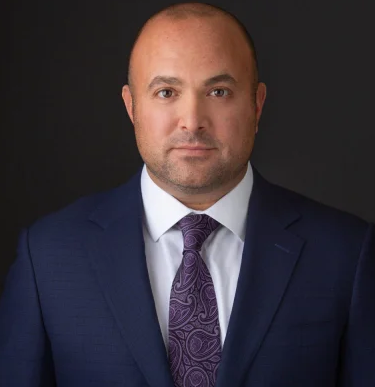
Written/Reviewed by:
Last Updated – August 29, 2026 Read Time – Est:
Deerfield Domestic Violence Attorney
Are you looking for a domestic violence attorney in Deerfield, IL?
At Merel Family Law, we provide domestic violence representation guided by over 200 years of combined experience in Deerfield and the surrounding area.
If you are living in an abusive family situation in Deerfield, or a protective order has been filed against you, you need to know where you and your children will stay, what contact the court will permit, and which courthouse will hear the case.
Our attorneys handle protective order matters on both sides of the Lake and Cook county line. A Deerfield, IL domestic violence attorney at Merel Family Law can identify which court has your case, explain realistic outcomes, and anticipate what the other side will argue. Consultations are confidential.
Domestic Violence Attorney Deerfield, IL
Illinois offers more than one protective remedy, and the right one depends on the relationship between the parties. An order of protection is available where the parties are family or household members, a category that reaches spouses, former spouses, people who share a child, relatives, roommates, and people who are dating or once dated. Separate remedies address stalking and sexual assault where no such relationship exists.
Deerfield sits mostly in Lake County with a portion extending into Cook, so two circuits serve one village. Illinois Court Help assisted more than 29,000 court users statewide during 2024 and recorded a 92.3 percent satisfaction rate, according to the annual report of the Illinois courts. Establishing which courthouse takes your filing comes before anything else.
Types of Domestic Violence Cases We Handle in Deerfield
The remedy that fits depends on who the other party is and what has happened. The matters below make up the bulk of the work our Deerfield domestic violence lawyers take on.
- Orders of protection. This is the remedy for abuse between family or household members, and it can restrict contact, address the residence, and change parenting time. Orders of protection are civil filings and proceed whether or not police were involved. We handle petitions and defenses.
- Stalking no contact orders. Where there is no family or household relationship, repeated following, surveillance, or unwanted contact is addressed through a different order. Proof centers on a pattern rather than a single incident. We assemble the timeline that pattern requires.
- Civil no contact orders. This remedy applies to sexual assault where the parties have no domestic relationship. The proceeding is civil and separate from any prosecution. We advise on which remedy fits before anything is filed.
- Child custody. A protective order can suspend or supervise parenting time while it is in effect, and findings made in it follow into any parenting case. Coordination between the two matters is essential. We make certain the positions taken in each are consistent.
- Divorce. Protective orders are frequently filed while a dissolution is pending, or shortly before one begins. The two cases influence each other on possession of the home and on temporary support. We manage them together.
- High conflict divorce. Allegations of abuse raise the temperature of an already difficult case and multiply the court appearances. Each filing needs a considered response rather than a reflexive one. We keep the record clean.
- Fathers’ rights. A parent named as a respondent faces immediate consequences for contact with a child. Answering the petition properly is the way to preserve that relationship, to the extent the court permits it. We prepare that response with the evidence it requires.
- LGBTQ divorce. Illinois extends protective orders to same-sex partners and to dating relationships on the same terms as any other. Survivors in these relationships sometimes assume the remedy does not apply to them. It does, and we pursue it.
- Support modifications. Temporary financial relief can be built into a protective order, and existing support obligations often need adjusting once a household separates. We address the money alongside the safety terms.
Why Choose Merel Family Law as My Domestic Violence Attorney in Deerfield, IL?
Representation in Two County Court Systems
Ashley Margason practices family law in Illinois, earned her law degree from DePaul University College of Law, and is a member of the Chicago Bar Association and the Illinois State Bar Association.
A Deerfield case may belong in Waukegan or in Skokie depending on the address. The two circuits differ in filing procedure, courtroom practice, and the advocacy services available on site. Our work with protective orders is one part of a broader practice, and support, parenting, and property questions all fall under the experience of our family lawyer in Deerfield, IL.
Experience Serving as a Guardian ad Litem
Laura Presto has practiced for eighteen years and has served as a Guardian ad Litem in addition to litigating cases and working as a certified mediator. She earned her Juris Doctorate from UIC Law and has been recognized as an Illinois Super Lawyer and as a Leading Lawyer in family law.
Protective order cases involving children raise questions a court may ask a third party to answer. Having worked in that role, our attorneys understand what a Guardian ad Litem looks for and how a parent’s conduct during a case reads from the outside.
What Is Important To Understand About Domestic Violence Cases?
What Is The Domestic Violence Case Timeline?
Protective order matters are among the fastest-moving cases in family law, and the sequence is largely fixed.
- A petition is filed and, where circumstances support it, an emergency order is considered the same day without the other party present.
- The sheriff serves the respondent with the order and notice of the return date.
- Both parties appear on the return date, and the matter may be continued if service was incomplete or if either side has retained counsel.
- The court hears evidence and decides whether to enter a longer-term order.
- Either party may later ask the court to extend, modify, or vacate what it entered.
A parallel criminal prosecution, if one exists, runs on its own schedule and reaches its own conclusions.
What Are Important Aspects of a Domestic Violence Case?
Several things shape these cases more than the parties expect.
- Safety planning and legal strategy are separate exercises, and the first should not wait on the second.
- Abuse that leaves no physical evidence is still abuse. Hidden abuse in relationships frequently appears in patterns of control rather than in incidents.
- Conduct after separation matters. Post-separation abuse often runs through litigation itself, through children, or through money.
- An entered order is only as useful as its enforcement. Knowing what to do when an order is violated preserves the remedy.
- Understanding your rights after domestic violence matters as much for respondents as for petitioners, since both sides carry consequences.
Which Protective Order Applies and Who May File
The Illinois Attorney General publishes an overview of the protective orders available in this state. The distinctions matter, because filing under the wrong one costs time.
- Order of protection. For abuse between family or household members, broadly defined to include dating and former dating relationships.
- Stalking no contact order. For a course of conduct causing fear or distress where no domestic relationship exists.
- Civil no contact order. For sexual assault or abuse where the parties are not family or household members.
- Firearm restraining order. For circumstances where a household or family member’s access to firearms presents a danger.
A petition may also be brought on behalf of a minor, a dependent adult, or a person unable to file independently. The Cook County protective orders page and its Lake County counterpart both describe who qualifies in each category.
What Should You Bring to Your Domestic Violence Consultation?
Bring the record the situation has already created, along with anything you have received from a court.
- Any petition, order, or court notice, including ones served on you
- A dated account of the incidents, written in the order they occurred
- Messages, call logs, photographs, and medical or police records
- Documents showing who lives in the residence and whose name is on it
- Any existing parenting order or pending divorce filing
We review the record, identify which remedy fits, and explain what the court will look for. If safety is the immediate concern, we address that first and take up the legal strategy afterward.
Deerfield Courts and Local Resources
Deerfield residents file in one of two circuits depending on which county their address falls in.
- Most of the village lies in Lake County, where cases are heard in the 19th Judicial Circuit at the Waukegan courthouse.
- The Cook County portion falls within the Second Municipal District, listed in the Illinois Courts directory of courthouses.
- The Illinois Attorney General maintains a searchable directory of service providers organized by county.
- The same office administers an address confidentiality program, which allows survivors to use a substitute address with state and local agencies.
- Advocacy organizations staff both courthouses and can assist with petitions at no cost.
Reach Out to Merel Family Law to Schedule a Consultation
Contact us to arrange a confidential consultation with a domestic violence lawyer serving Deerfield, IL. We will determine which court has jurisdiction over your address, review what has happened, and explain the remedies available to you. Meetings can be scheduled in person or remotely.
