

 Last Updated – July 31, 2026
Merel Family Law
Barrington Collaborative Divorce Lawyer
Providing Professional, Reputable and Approachable Legal Counsel.

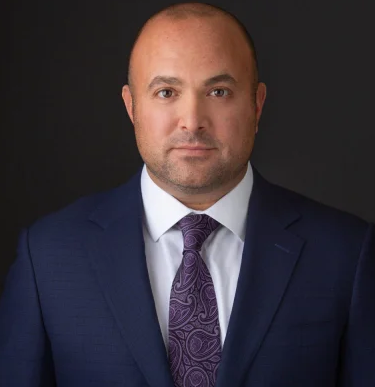
Written/Reviewed by:
Last Updated – July 31, 2026 Read Time – Est:
Barrington Collaborative Divorce Lawyer
Are you looking for a collaborative divorce lawyer in Barrington, IL?
At Merel Family Law, we are trusted collaborative divorce lawyers serving clients throughout Barrington and the surrounding communities.
Collaborative divorce lets couples settle the terms of their marriage dissolution without going to court. Our Barrington, IL collaborative divorce lawyer at Merel Family Law represents clients who want a private, respectful process instead of a trial. Both spouses retain their own attorneys, and everyone signs an agreement to resolve matters through negotiation. We help you decide whether a collaborative divorce suits your situation, and we guide you through each step.
Collaborative Divorce Lawyer Barrington, IL
Collaborative divorce is a way to end a marriage outside of court. Both spouses hire attorneys trained in the collaborative process, and everyone signs an agreement to negotiate in good faith. If the discussion breaks down and either spouse chooses to litigate, the collaborative attorneys step aside and new counsel takes over. That single rule keeps the focus on settlement. The process often brings in neutral professionals, such as a financial specialist or a divorce coach, to work through harder issues. The same team can address parenting, property, and support in one coordinated effort. Couples often choose this route to protect their privacy, to keep costs more predictable, and to preserve a working relationship for the years of co-parenting ahead. Illinois formally recognizes this process as an alternative to a contested case.
Types of Collaborative Divorce Cases We Handle in Barrington
The collaborative process can address almost any issue that arises in a divorce. What matters is that both spouses commit to settling things through negotiation rather than litigation. These are the matters we most often resolve this way for Barrington couples.
- Divorce with children. Parenting plans built through cooperation tend to hold up better over time. We help parents shape schedules and decision-making arrangements that keep children first. The goal is a plan both parents can live with, not one imposed from the bench.
- High-asset collaborative divorce. Couples with businesses, investments, or complex holdings often want financial details kept out of the public record. The collaborative model allows for that privacy. We coordinate with financial neutrals to value assets accurately, so both spouses trust the numbers.
- Alimony. Maintenance is frequently one of the hardest topics to settle. We work through income, needs, and long-term plans at the table rather than in front of a judge.
- Property and debt division. Splitting a home, retirement accounts, and shared debts goes more smoothly when both sides share information openly. We keep those conversations productive, and a clear picture makes a fair split far easier.
- High-conflict divorce. Not every case suits collaboration. When trust has broken down entirely, we say so and prepare to protect you through other means.
- Uncontested and cooperative resolutions. When spouses already agree on most points, collaboration can finalize the rest quickly and at a lower cost. It also spares both people the strain of a drawn-out court schedule.
Why Choose Merel Family Law as my Collaborative Divorce Lawyer in Barrington, IL?
Choosing collaborative divorce means choosing an attorney who believes in the process. We take the process seriously, because we have seen how much smoother a divorce can be when both sides stay out of the courtroom.
Attorneys Trained in the Collaborative Process
Melissa Caballero Dunn is a certified mediator with training in collaborative divorce, and she has practiced family law exclusively since 2008. She was recognized in the 2023 40 Under 40 class of leading Chicago attorneys. Firm founder Jonathan Merel, a Super Lawyers honoree, built his reputation on settling difficult divorces without unnecessary courtroom battles. That settlement-first instinct is exactly what the collaborative process rewards. Between them, our attorneys have guided a wide range of families toward resolution, from straightforward cases to those with real financial complexity.
A Family Law Firm Rooted in Barrington
As a family lawyer in Barrington, IL, our attorneys bring more than 200 years of combined experience to Illinois families. We know the local courts, and we know when a case belongs in one and when it does not. Clients come to us for steady judgment on both counts. Family law is our sole focus, so the collaborative process is a familiar part of how we work.
Understanding Collaborative Divorce Cases
How the Collaborative Process Works and What Sets It Apart
Collaborative divorce follows a defined path, and a few features make it different from a standard case.
- A participation agreement. Both spouses sign a written commitment to resolve everything through negotiation.
- The disqualification rule. If either spouse heads to court, both collaborative attorneys must withdraw, which pushes everyone toward settlement.
- Open exchange of information. In place of formal discovery, both sides share financial details voluntarily.
- A professional team. Financial neutrals, child specialists, or divorce coaches may join to handle specific issues.
- Private, out-of-court meetings. Talks happen in conference rooms, not a public courtroom.
Deciding whether the process is the right approach depends on your goals and your relationship with your spouse. The model shares some ground with mediation, but it differs from mediation because each spouse keeps their own lawyer throughout. Each feature is designed to keep both people invested in a settlement.
What Makes a Collaborative Divorce Succeed?
Success in the collaborative process depends less on the law and more on how both people show up. A few things matter most.
- A real willingness from both spouses to compromise.
- Honest and complete financial disclosure.
- Realistic expectations about the outcome.
- The patience to work through issues one at a time.
- A commitment to keep talking even when a topic gets difficult.
Couples who agree outside of court usually walk away with an arrangement they helped build. When one spouse is hiding assets or acting in bad faith, the process is not the right fit, and we will tell you so early.
What Is The Collaborative Divorce Timeline?
Each collaborative case moves at its own pace, but most follow a similar pattern. The couple controls the timeline.
- An initial meeting with your attorney to see whether the process fits.
- Signing the participation agreement with both spouses and their lawyers.
- A series of joint meetings to work through each issue in turn.
- Bringing in neutral professionals when a specific question calls for one.
- Drafting the final settlement and presenting it to the court for approval.
Because the couple sets the pace, a cooperative case can resolve well before a contested one would. Most of the work happens in the joint meetings, where the two sides trade proposals until the terms come together.
What Should You Bring to Your Collaborative Divorce Consultation?
Our first conversation goes further when you arrive prepared. A clear financial snapshot helps the most.
- A summary of your income and your spouse’s, to the extent you know it.
- Recent statements for bank, retirement, and investment accounts.
- A list of major assets and outstanding debts.
- Any concerns you have about how you and your spouse communicate.
If you are missing something, bring what you have and we will work from there. We will explain how the process would look for your family and answer your questions directly. You decide whether to move forward from there.
What Are Important Illinois Legal Resources for Collaborative Divorce Cases?
Several public resources can help you understand how collaborative divorce and other out-of-court options work in Illinois. Each one is maintained by the state or the local court system. Use them as background, not as a substitute for advice about your own case.
- The Illinois General Assembly publishes the state law that recognizes the collaborative process.
- The Cook County court describes the alternative dispute resolution options available to litigants.
- The county’s domestic relations division handles divorce filings, including those resolved by settlement.
- Illinois Legal Aid explains the alternatives to a traditional court case in plain language.
- A separate mediation guide walks through how neutral-assisted negotiation works.
Reach Out to Merel Family Law to Schedule a Consultation
A collaborative divorce starts with a single conversation about whether the process is right for you. We will listen, explain your options, and give you an honest assessment. Contact us to schedule a consultation with a Barrington collaborative divorce lawyer. Our office will help you take the next step at a pace that works for your family.
