

 Last Updated – June 12, 2026
Merel Family Law
Buffalo Grove Collaborative Divorce Lawyer
Providing Professional, Reputable and Approachable Legal Counsel.

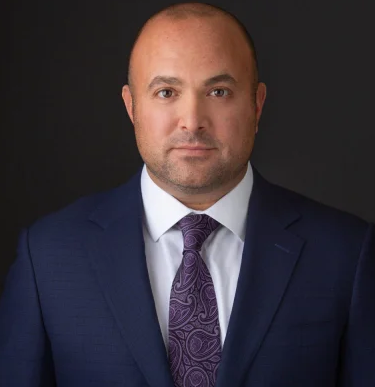
Written/Reviewed by:
Last Updated – June 12, 2026 Read Time – Est:
Buffalo Grove Collaborative Divorce Lawyer
A collaborative divorce practice grounded in 200 years of combined family law work across Buffalo Grove and the surrounding region.
If you and your spouse want to end your marriage without litigating it in open court, the collaborative process can offer a path that protects your privacy and your family. Our Buffalo Grove, IL collaborative divorce lawyer works with couples who want a resolution without the adversarial back-and-forth of a trial. Merel Family Law has guided clients through divorce matters since 2009, and our attorneys bring 200 years of combined family law experience to every case. Reach out when you are ready to discuss your options.
Collaborative Divorce Lawyer Buffalo Grove
Our Buffalo Grove collaborative divorce lawyer typically represents one spouse but commits, in writing alongside opposing counsel, to resolve every issue outside of court. If the process breaks down and either spouse decides to litigate, both attorneys are disqualified from continuing the case. That structural feature shapes how negotiation is approached from day one.
The process is built around joint sessions. Spouses meet together with their attorneys, sometimes joined by neutral financial professionals or child specialists when the matter calls for it. The goal is a written agreement that resolves property, support, and parenting questions before any contested hearing.
Types of Collaborative Divorce Cases We Handle in Buffalo Grove
Collaborative divorce works across a range of cases where both spouses want to negotiate rather than litigate. Some matters benefit from the process more than others. Below are the case types where our attorneys help Buffalo Grove couples reach a resolution through structured negotiation.
- Divorces involving minor children. When parenting time and decision-making are at issue, the collaborative process gives parents a structured forum to draft a parenting plan together. We work with child specialists when warranted, and the focus stays on how to help a child adjust during divorce rather than positions held in a courtroom.
- High-asset and business-owner divorces. Significant marital estates often involve closely held businesses, executive compensation, or investment portfolios. A jointly retained professional team of financial neutrals can analyze the full picture once instead of duplicating discovery and depositions.
- Spousal support. Negotiating maintenance outside of court lets couples model different income scenarios and choose a structure that fits both budgets. We address these issues within a complete collaborative settlement rather than as separate litigation.
- Property division. Couples can divide real estate, retirement accounts, and personal property through structured negotiation rather than judicial allocation. Real estate appraisers and pension valuators can be retained jointly to avoid competing reports.
- Same-sex and LGBTQ divorces. Collaborative work keeps the matter off the public docket and gives couples flexibility to address issues specific to their family, including premarital cohabitation periods or surrogacy arrangements.
- Gray divorces. Long-married couples often have intertwined finances, retirement timing, and adult children to consider. Joint sessions allow careful planning around retirement accounts, Social Security claiming, and housing decisions.
- Privacy-sensitive matters. Professionals, executives, and public figures often prefer a process that keeps financial details and personal history out of public court filings.
- Hybrid cases after mediation. Some couples come to us after attempting divorce mediation and need attorney representation to finalize an agreement or restart with a different structure.
- Postnuptial-driven separations. When a postnuptial agreement is already in place, the collaborative process can be used to apply its terms to a divorce filing without contested motions.
Why Choose Merel Family Law for Collaborative Divorce in Buffalo Grove, IL?
Merel Family Law has built a family law practice that includes structured negotiation as a core option for clients. Choosing the right counsel for an out-of-court process matters. The entire case depends on whether your attorney can prepare thoroughly between sessions, recognize when a position needs to shift, and draft an agreement that holds up after the case closes.
Family Law Experience That Carries Through Negotiation
Jonathan Merel, the founder of our firm, has spent his career in family law and is admitted to practice in Illinois, Wisconsin, and Michigan. He earned his J.D. from Chicago-Kent College of Law and holds memberships with the Chicago Bar Association, the Illinois State Bar Association, and the American Bar Association. Melissa Caballero Dunn is also Chicago-Kent trained and a member of the Women’s Bar Association of Illinois alongside the CBA and ISBA. Both have spent their careers handling family law matters across the Chicago area.
Results From Negotiated Settlement Work
Our divorce lawyer in Buffalo Grove, IL has guided clients to negotiated resolutions across a wide range of marital matters, from straightforward separations to financially intricate cases. Where the collaborative process is right for a couple, our work focuses on producing a written agreement that reflects both spouses’ priorities and continues to function as the couple moves forward.
Understanding Collaborative Divorce Cases
The Collaborative Process and What It Involves
The collaborative process is a structured negotiation conducted entirely outside of court. Both spouses retain separate counsel, and all four participants sign a participation agreement at the outset. That agreement commits everyone to honest disclosure and good-faith negotiation. It also includes the disqualification provision: if either spouse later chooses to litigate, both attorneys must withdraw, and the parties retain new trial counsel. When you work with our Buffalo Grove collaborative divorce lawyer, you can expect the following:
- A signed participation agreement between both spouses and both attorneys
- Voluntary, transparent disclosure of all assets, debts, and income
- Scheduled joint sessions with both spouses and both attorneys present
- Neutral financial professionals retained jointly when valuation is complex
- Neutral child or mental health specialists when parenting matters need support
- A written settlement agreement at the conclusion of negotiation
What Are Important Aspects of a Collaborative Divorce Case?
A few elements separate collaborative cases from contested matters. The first is commitment. Both spouses have to actually want to work through the case outside of court, even when sessions get difficult. The second is transparency on finances. The process cannot work if either party is hiding accounts or income. The third is willingness to use neutral professionals where they add value, rather than dueling experts on each side. Couples weighing whether this is the right approach for their situation benefit from understanding both the strengths and the limits of the model.
- Both spouses must consent voluntarily and remain engaged throughout
- Financial disclosure must be complete and current
- Personal attacks or hidden agendas will derail sessions quickly
- Costs are usually lower than litigation, but depend on case complexity
- The collaborative process differs from mediation; understanding the mediator vs collaborative roles helps couples choose the right structure
What Is the Collaborative Divorce Case Timeline?
Timing varies based on case complexity, the number of issues, and how quickly both spouses can gather financial documents. Most cases handled by our Buffalo Grove collaborative divorce attorney run on a faster timeline than litigated divorces because there is no court calendar driving the pace. A typical timeline often includes:
- Initial consultations and attorney selection
- Signing the participation agreement
- Document collection and full financial disclosure
- Four to six joint sessions, sometimes more for complex cases
- Drafting the marital settlement agreement
- Filing the divorce petition with the agreement attached
- Court approval and entry of final judgment
What Should You Bring to Your Collaborative Divorce Consultation?
The initial consultation is where we determine whether the collaborative process fits your circumstances. Bringing the right documents lets us give a realistic read on the case from the first consultation.
- Two to three years of tax returns
- Recent pay stubs and any business income statements
- Account statements for retirement, investment, and bank accounts
- A written list of significant assets and significant debts
- Any existing prenuptial or postnuptial agreement
You can expect the meeting to last about an hour. We will discuss your goals, review the documents you bring, and walk through whether the collaborative model, mediation, or another approach makes the most sense for your situation.
What Are Important Illinois Legal Resources for Collaborative Divorce Cases?
Illinois publishes a range of resources for couples researching divorce procedures and the collaborative process. The following are useful starting points when looking into your own case or the family court system in Lake County and surrounding areas.
- The Illinois Courts site provides information on circuit court procedures and the family law divisions handling dissolution cases.
- Illinois Legal Aid publishes guides on divorce, parenting plans, and family safety planning.
- The Lake County 19th Judicial Circuit Court website publishes filing requirements, court schedules, and forms for family law cases filed in Lake County.
- The Illinois General Assembly maintains the full text of state statutes, including those governing dissolution of marriage and the collaborative process.
- Collaborative Divorce Illinois publishes general information about the collaborative practice model and how it operates in this state.
Reach Out to Merel Family Law to Schedule a Consultation
If you and your spouse are considering an out-of-court divorce, the next step is a confidential consultation. Contact us to schedule a meeting with one of our Buffalo Grove collaborative divorce attorneys. We will discuss your situation, walk through whether the collaborative model fits, and outline next steps. New client inquiries are typically returned within one business day.
