

 Last Updated – October 18, 2026
Merel Family Law
Western Spring Domestic Violence Attorney
Providing Professional, Reputable and Approachable Legal Counsel.

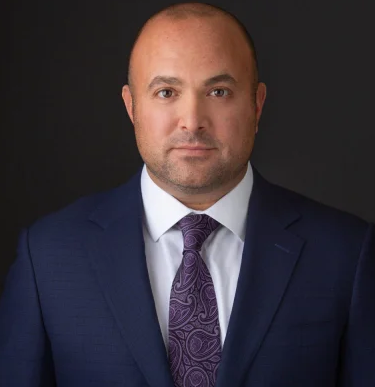
Written/Reviewed by:
Last Updated – October 18, 2026 Read Time – Est:
Western Spring Domestic Violence Attorney
Are you looking for a domestic violence attorney in Western Spring, IL?
At Merel Family Law, we offer a confidential case review with a Western Spring domestic violence attorney.
If a petition alleging domestic abuse has been filed in Western Spring, the matter can reach a judge within hours. It shapes parenting time, housing, and support long after the first hearing. Our Western Spring, IL domestic violence attorney represents petitioners seeking protection and respondents answering allegations, and we coordinate that proceeding with any divorce or parenting case running alongside it. Every attorney at the firm practices family law, and their experience combined totals more than 220 years. Schedule a confidential consultation to review the petition, the evidence, and the next court date.
Domestic Violence Attorney Western Spring, IL
Illinois domestic violence agencies served 52,191 survivors in state fiscal year 2025, and 40 percent of adult clients reported annual incomes of $12,000 or less, according to ICJIA InfoNet data. Western Spring residents seeking or contesting civil protection should file through the Circuit Court of Cook County, where these petitions are heard by judges assigned to domestic violence matters.
A domestic violence attorney handles the civil side of abuse allegations between family or household members. The work covers petitions for orders of protection, responses to those petitions, enforcement when an order is violated, and the effect an abuse finding has on parenting time, possession of the home, and support in a related family case. Criminal domestic battery charges are a separate proceeding prosecuted by the State’s Attorney.
Types of Domestic Violence Cases We Handle in Western Spring
Our domestic violence lawyers represent clients on either side of a petition, and the work frequently overlaps with divorce and parenting litigation. The matters that come before us most often include:
- Orders of protection. A petition must describe the abuse with enough specificity for a judge to act, often on the day it is filed. We draft petitions for survivors and appear at the later hearing where the order is extended, modified, or vacated.
- Responding to a petition. An emergency order is usually entered before the respondent knows a case exists. We contest the allegations at the full hearing, cross-examine the petitioner, and present the evidence the emergency judge never heard.
- Divorce. When abuse is alleged during a dissolution, the protective order and the divorce influence each other on housing, support, and property. We litigate both so that the positions taken in one do not undercut the other.
- Child custody. Illinois courts weigh abuse when allocating parenting time and decision-making responsibility. We present or rebut that evidence and propose supervised or restricted schedules where the record supports them.
- Financial abuse. Control of bank accounts, credit, and income frequently accompanies other forms of abuse. We document the financial record and request the support and property remedies a protective order can include.
- Violations of protective orders. A violated order can be enforced in the civil case and may also lead to separate criminal charges. We pursue enforcement for petitioners and defend respondents accused of a violation.
- Stalking and civil no contact orders. Protection is not limited to family and household members. Cook County also hears stalking no contact orders and civil no contact orders, each with its own eligibility requirements.
- Post-separation abuse. Harassment sometimes continues after a couple separates, carried out through litigation, communications, or the children. We assemble the pattern evidence a court needs to recognize it.
Why Choose Merel Family Law as my Domestic Violence Attorney in Western Spring, IL?
Twenty Attorneys, Four Offices, and 24/7 Live Answering
Merel Family Law has twenty attorneys working from offices in downtown Chicago, Highland Park, Hinsdale, and Metro Detroit, and the firm keeps a live answering line staffed around the clock. Marleena Broekema earned her law degree at DePaul University College of Law, is admitted in Illinois, and holds memberships in the Chicago Bar Association, the Illinois State Bar Association, the American Bar Association, and the Women’s Bar Association.
Fifteen Years of Family Litigation and Mediation
Lindsay Margolis has spent fifteen years in family law litigation and mediation, a combination that matters when a protective order hearing and a negotiated parenting arrangement are proceeding at the same time. She completed her undergraduate studies at Emory University and her law degree at Chicago-Kent College of Law. Because our firm serves as a family lawyer in Western Spring, IL across the entire matter, the protective order, the parenting schedule, and any dissolution are argued from one consistent record.
What Is Important To Understand About Domestic Violence Cases?
What Are Important Aspects of a Domestic Violence Case?
The civil protective order process operates on a different footing than a criminal prosecution. A petitioner does not need a police report or a criminal charge to seek relief. The judge decides the petition under the civil standard of proof rather than the criminal one. Documentation carries the case: dated photographs, preserved text messages and emails, medical records, and the testimony of witnesses who saw the conduct or its aftermath. Judges weigh the evidence in domestic violence cases with particular care, and credibility at the hearing frequently decides the outcome.
For respondents, the terms of an emergency order take effect upon service, and contact that violates those terms carries its own consequences regardless of how the underlying petition resolves. A protective order entered in one case also follows the parties into the other, so a finding made at a single hearing can shape a parenting allocation that lasts for years.
Protective Orders, Abuse Definitions, and Parenting Consequences
A domestic violence lawyer works from a handful of defined concepts in Illinois protective order law, including:
- Family or household members. A civil order of protection can only be sought against a spouse or former spouse, a relative, a person who shares or shared a home with the petitioner, a co-parent, a current or former dating partner, or certain caregivers. Other relationships fall under stalking or civil no contact orders.
- Abuse. The term reaches well beyond physical harm, and what counts as domestic violence in Illinois includes harassment, intimidation of a dependent, interference with personal liberty, and willful deprivation.
- Emergency, interim, and plenary orders. An emergency order may be entered without advance notice to the respondent, an interim order bridges the gap until a full hearing, and a plenary order follows a hearing at which both sides may present evidence.
- Remedies. An order can include no-contact provisions, exclusive possession of the home, temporary parenting arrangements, and support.
- Parenting consequences. Abuse is a factor in allocating parental responsibilities, and custody after domestic violence often involves supervised or restricted parenting time.
What Is The Domestic Violence Case Timeline?
Protective order cases move faster than nearly any other civil matter in Illinois. An emergency petition is presented to a judge on the day it is filed, and if relief is granted, the order takes effect once the respondent is served. A return date is set within a matter of weeks, and at that hearing the court may enter an interim order, extend the emergency relief, or proceed to a plenary hearing with testimony from both sides. Continuances are common when service is delayed or when a related divorce or parenting case needs to be coordinated, and our domestic violence attorneys align the two schedules where the court permits.
After a plenary order is entered, the case remains open for enforcement and for motions to modify or extend the order. When a spouse breaks a restraining order, the petitioner can seek enforcement within the same case rather than filing a new one.
What Should You Bring to Your Domestic Violence Consultation?
Documentation drives protective order hearings, so the first meeting should include materials such as:
- Any petition, emergency order, or summons already filed or served.
- Photographs, screenshots of messages, call logs, and emails, with their dates preserved.
- Police reports, incident numbers, and medical records connected to the conduct.
- A written timeline of incidents listing dates, locations, and witnesses.
- Existing divorce, parenting, or support orders involving the same parties.
Our Western Spring domestic violence lawyers use the meeting to evaluate the evidence against the relief being sought or contested, confirm the next court date, and set out what the hearing will require from each side.
Western Spring Family Court and Local Resources
Protective order petitions from Western Spring can be filed at the courthouse in Bridgeview, which serves Lyons Township and the rest of Cook County’s Fifth Municipal District. The Circuit Court of Cook County recognizes five protective order types, and only the order of protection is limited to family and household members.
Petitioners involved in a related criminal case can reach the State’s Attorney victim services unit for victim notification, rights information, and referrals to partner service agencies. Illinois Legal Aid Online publishes an order of protection FAQ covering who may file, who a petition may be filed against, and where it must be filed.
Reach Out to Merel Family Law to Schedule a Consultation
Contact us to schedule a confidential review with a domestic violence lawyer serving Western Spring. We will review the petition or the incident history, explain what the court can order, and outline the preparation the next hearing requires. Attorneys meet with new clients on weekdays, and after-hours calls are taken by a live receptionist 24/7.
