

 Last Updated – July 18, 2026
Merel Family Law
Park Ridge Domestic Violence Attorney
Providing Professional, Reputable and Approachable Legal Counsel.

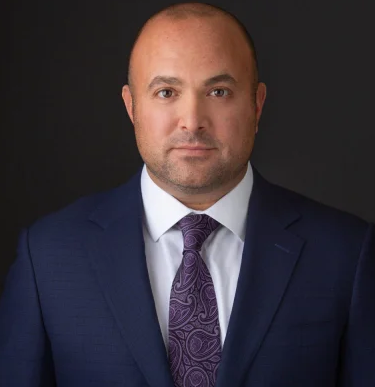
Written/Reviewed by:
Last Updated – July 18, 2026 Read Time – Est:
Park Ridge Domestic Violence Attorney
Trusted domestic violence attorneys with decades of combined experience.
If you’re seeking an order of protection in Park Ridge, or you’ve been served with a petition alleging abuse, the next steps matter. Merel Family Law represents both petitioners and respondents in protection order cases, and we’ve handled the procedural and substantive issues these matters raise in Illinois family court for decades. Your Park Ridge, IL domestic violence attorney needs to understand both the Illinois Domestic Violence Act and how protection order rulings affect related family cases like divorce and custody. Contact us to schedule a consultation about your situation.
Domestic Violence Attorney Park Ridge, IL
In the family law context, domestic violence work centers on civil protection orders rather than criminal prosecution of abuse charges. A domestic violence lawyer in Park Ridge represents petitioners seeking protection from a spouse, partner, or family member, and respondents who have been accused under the Illinois Domestic Violence Act. Our Park Ridge domestic violence attorney can file emergency petitions, present evidence at plenary hearings, defend against allegations when they’re inaccurate or overstated, and address the impact protection orders have on parenting time, residence, and other family law issues.
Some cases involve straightforward facts. Others involve disputed events, contested credibility, or cross-petitions where both parties claim they’re victims. The legal analysis is the same; the strategy depends on the facts and which side we represent.
Types of Domestic Violence Cases We Handle in Park Ridge
Protection order cases come in several forms, each with its own procedural rules and standards. Our firm handles the categories below, representing petitioners and respondents depending on the situation.
- Emergency orders of protection. These are short-term orders issued without notice to the respondent, usually based on the petitioner’s testimony at an initial hearing. We file emergency petitions when the facts support immediate relief and prepare for the plenary hearing that follows.
- Plenary orders of protection. After an emergency order, both parties have an opportunity to appear and present evidence at a plenary hearing. We litigate these hearings on either side, addressing what the Illinois Domestic Violence Act requires and what the evidence actually shows.
- No-contact orders. Civil and stalking no-contact orders apply outside the family or household member relationships covered by the Domestic Violence Act. We handle these for clients who don’t have a qualifying relationship for an order of protection but still need court intervention.
- Petitioner representation. When clients are seeking protection, we focus on building the record under Illinois evidence standards for what abuse looks like, including non-physical conduct that qualifies under the statute.
- Respondent defense. When clients face allegations they dispute, we examine the evidence, address inconsistencies, and present testimony and documents that contradict the petition. False or exaggerated claims happen, particularly during contested divorce or custody cases.
- Divorce cases. When abuse allegations enter a divorce case, they often affect the schedule, the temporary orders, and the eventual parenting plan. We coordinate the protection order work with the broader divorce strategy.
- Custody implications. Protection order findings can shape custody outcomes and parenting time arrangements. We address how these issues interact and what the court will likely consider at later hearings.
- Eligibility and qualifying relationships. Not every relationship qualifies for an order of protection. Our Park Ridge domestic violence lawyer can address who can file under the Domestic Violence Act, and what alternative remedies exist when it doesn’t apply.
- Violations and enforcement. When a respondent violates an order, enforcement options include contempt proceedings and referral to law enforcement. We address civil consequences and coordinate with criminal authorities when needed.
- Protection order appeals. When a trial court ruling on an order of protection contains legal error, the appellate process is the avenue for review.
Why Choose Merel Family Law for Domestic Violence in Park Ridge, IL?
Representation on Both Sides of the Petition
Founder Jonathan Merel opened the firm to serve Illinois families in disputes that often involve high stakes and difficult facts. He completed his legal education at Chicago-Kent College of Law and is admitted to the bars of Illinois, Wisconsin, and Michigan. Our Park Ridge domestic violence attorneys are members of the Illinois State Bar Association, the Chicago Bar Association, and the American Bar Association.
Family Court Experience That Matters
Protection order proceedings happen in family court, often alongside divorce or custody matters that involve the same parties. As a family lawyer in Park Ridge, IL, our firm handles the broader context of these cases. That means we understand how a protection order ruling affects parenting time, exclusive use of property, and the strategic positioning of any underlying dissolution.
Understanding Domestic Violence Cases
Orders of Protection, Procedures, and Relief Available in Illinois
Most domestic violence cases in family court involve a petition for an order of protection under the Illinois Domestic Violence Act. The act provides for several types of orders, each with different durations and procedural requirements, and gives courts authority to grant a range of relief from no-contact provisions to exclusive use of a residence. Eligibility depends on the relationship between the parties. The act applies to family or household members, which includes spouses, former spouses, parents and children, certain blood relatives, people who share a child, and dating relationships. Several core concepts come up in nearly every case:
- Emergency orders, which are short-term and entered without notice to the respondent
- Interim orders, which can extend the emergency order while a plenary hearing is scheduled
- Plenary orders, which last up to two years after a contested or agreed hearing
- Civil no-contact orders for relationships outside the Domestic Violence Act
- Stalking no-contact orders for repeated unwanted contact that doesn’t fall under the DV Act
- Available relief, including stay-away provisions, parenting time restrictions, and possession of property
- Standards of proof and evidence required at hearings
How these apply to a specific case depends on the facts and the relationship between the parties.
Important Aspects in Your Domestic Violence Case
Several practical realities shape how these cases unfold. The procedure moves quickly, hearings are evidence-driven, and the rulings affect related family law cases beyond the immediate question of whether to grant or deny an order.
- Emergency hearings often happen within days of filing
- Both sides typically have the same opportunity to present testimony and exhibits at plenary hearings
- Findings made in protection order rulings can affect later divorce or custody decisions
- Violations of an order can result in arrest and criminal charges, separate from the civil case
- The timeline is shorter than most other family court matters, which compresses preparation
Domestic Violence Case Timeline
Protection order cases move on a different schedule than most family law matters. Emergency hearings happen quickly. Plenary hearings usually follow within a few weeks. The full process from filing through final disposition typically takes a few weeks to a few months.
- Filing of the petition and any emergency hearing within days
- Service of process on the respondent
- Plenary hearing scheduled, typically within 21 days of an emergency order
- Discovery and preparation in the period before the plenary hearing
- Plenary hearing and entry of a plenary order, denial, or agreed resolution
What to Bring to Your Domestic Violence Consultation
Documents and information about events help us assess the situation and identify what evidence will matter at the hearing. Some examples of information that can help our Park Ridge domestic violence attorney include:
- A timeline of relevant events, including dates and circumstances
- Communications such as text messages, emails, or recordings if you have them
- Police reports, photos, or medical records related to specific incidents
- Any existing court orders, divorce filings, or related documents
- Names and contact information for potential witnesses
A first meeting covers your facts, the law that applies, and the realistic outcomes. We’ll discuss strategy, the timeline, and what evidence we’ll need to present or address at the hearing.
Illinois Legal Resources for Domestic Violence
The resources below provide statutory references, government information, and Illinois-specific guidance for people involved in domestic violence proceedings. They’re starting points for research, not legal advice on a specific case.
- The Illinois Domestic Violence Act is the governing statute for orders of protection in Illinois
- The Illinois Attorney General maintains a domestic violence prevention and resources page
- The Illinois State Police publishes plain-language information about Illinois domestic violence law
- The Illinois Coalition Against Domestic Violence connects survivors with services across the state
- The American Bar Association Family Law Section publishes guidance on the intersection of protection orders and family proceedings
Reach Out to Merel Family Law to Schedule a Consultation
Protection order cases move quickly, and the rulings affect divorce, custody, and other family matters connected to them. Whether you’re filing for protection or responding to a petition, our team is ready to talk through your situation. Contact us to schedule a consultation with our Park Ridge domestic violence attorney to start the process.
Domestic Violence Statistics in Park Ridge, IL
 National figures from the Centers for Disease Control show that more than 1 in 3 women and more than 1 in 6 men experience contact sexual violence, physical violence, or stalking by an intimate partner during their lifetimes. The pattern holds close to home. According to Illinois InfoNet data published by the state, domestic violence agencies across Illinois served more than 51,000 survivors in a single fiscal year. Park Ridge sits within that picture. Families here file for and respond to orders of protection in Cook County, and the volume statewide tells you these cases are neither rare nor simple.
Mistakes That Can Hurt Your Protection Order Case
Protection order hearings move fast and turn on evidence. Small missteps in the days before a hearing can change the result, and that holds true whether you are seeking an order or defending against one. The points below come up often when people meet with our Park Ridge domestic violence attorney:
- Waiting too long to document events. Memory fades and details blur. Petitioners who keep a dated record of incidents give the court something concrete to weigh, and respondents who preserve their own timeline can rebut claims that don’t match the facts. Reviewing your rights early helps you understand what the court actually considers.
- Posting about the case online. Text messages, social media, and emails surface in these hearings constantly. A single message sent in frustration can undercut an otherwise strong position. We advise clients on both sides to stop volunteering material that the other party can use.
- Ignoring the terms of an existing order. A respondent who treats a no-contact provision as flexible invites contempt proceedings. Understanding no-contact provisions before the order takes effect prevents accidental violations that carry real consequences.
- Treating false allegations casually. When a petition overstates or fabricates events, silence is not a strategy. A respondent who gathers documents, witnesses, and communications can show the court a fuller record. We take seriously the reality that contested divorce and custody disputes sometimes produce exaggerated claims.
- Overlooking financial control. Abuse is not always physical. Patterns of financial abuse can support a petition, and recognizing them changes how a case is built. The same is true for conduct that continues after a couple separates, which is why we discuss post-separation abuse with clients who think the danger ended at the breakup.
- Bringing the wrong evidence to the hearing. Photographs without dates, witnesses who didn’t see the events, and documents that aren’t authenticated rarely help. We work with clients to assemble what the court can actually use.
- Going to the hearing unprepared for cross-examination. Both parties usually testify. A petitioner who hasn’t rehearsed the narrative, or a respondent who reacts emotionally to pointed questions, can lose ground that the facts didn’t require them to lose.
- Handling the order in isolation. Protection orders rarely stand alone. They touch divorce, child custody, and support. Knowing that legal help is available and how a ruling ripples into related cases keeps the strategy coherent.
Our Park Ridge domestic violence lawyer, who sees these errors regularly, can steer you around them before they cost you.
Park Ridge Domestic Violence Lawyer FAQs
What Is the Difference Between an Order of Protection and a No-Contact Order?
An order of protection applies to family or household members, including spouses, former partners, relatives, and people who share a child. Civil and stalking no-contact orders cover situations outside those relationships, such as repeated unwanted contact from someone you never lived with or dated. The relief can look similar, but eligibility and the governing rules differ, which affects how each case proceeds.
Who Can File for an Order of Protection in Park Ridge?
Eligibility depends on the relationship between the parties. The law reaches spouses and former spouses, parents and children, certain blood relatives, people who share a child, and dating relationships. If your situation does not fit those categories, a no-contact order may be the right avenue instead. Our Park Ridge domestic violence attorney can tell you quickly which path applies to your facts.
How Quickly Can I Get an Emergency Order?
Emergency orders are designed for speed. A judge can enter one based on the petitioner’s testimony at an initial hearing, often within days of filing, and without advance notice to the respondent. That order is short-term, and it holds the situation in place until a plenary hearing gives both sides a full opportunity to present evidence.
What Happens at a Plenary Hearing?
A plenary hearing is the contested proceeding where both parties appear, testify, and present exhibits. The petitioner explains why an order is warranted, and the respondent answers the allegations. The judge weighs credibility and evidence, then grants, denies, or modifies the requested relief. These hearings are evidence-driven, so preparation on either side matters more than almost anything else.
Can I Respond if Someone Files a Petition Against Me?
Yes. Being served with a petition does not mean the outcome is decided. You have the right to appear, to contest the allegations, and to present your own testimony, witnesses, and documents. We represent respondents regularly, including those facing claims they dispute. Showing up prepared, with a clear account of events, is the foundation of a strong defense.
Does an Order of Protection Affect Custody or Parenting Time?
It can. Findings made in a protection order case may influence later decisions about parenting time and the allocation of parental responsibilities. The connection runs in both directions, since allegations sometimes arise during custody disputes. Understanding custody rights in this context helps both petitioners and respondents anticipate what a family court will consider.
What if the Allegations Against Me Are False?
Inaccurate or inflated claims do happen, particularly in the middle of a contested divorce. The response is to build a record. Our Park Ridge domestic violence attorney examines the petition for inconsistencies, gathers communications and documents that contradict it, and identifies witnesses who can speak to what actually occurred. The goal is to give the court a complete picture rather than a one-sided account.
How Long Does an Order of Protection Last?
Emergency orders are brief by design and bridge the gap to a plenary hearing. After a contested or agreed plenary hearing, a longer order can remain in effect for a fixed period set by the court. Orders can also be extended, modified, or, in some circumstances, terminated. The duration depends on the type of order and the findings behind it.
What Should I Do if the Other Party Violates the Order?
Document the violation with dates and any supporting evidence, then act through the court. Enforcement can include contempt proceedings and, when conduct crosses into criminal territory, referral to law enforcement. Knowing what to do when an order is broken helps you respond in a way the court can act on, rather than reacting in the moment.
Do I Need a Lawyer for a Protection Order Case?
You are not required to have one, but the stakes and the speed argue in favor of it. These hearings involve evidence rules, cross-examination, and rulings that affect divorce and custody. A lawyer who handles court order protections routinely can prepare your testimony, organize your exhibits, and address the related family law issues in one coordinated approach.
Will an Order of Protection Show Up in My Divorce?
Often, yes. When the same parties have a divorce pending, a protection order ruling can shape temporary orders, the parenting schedule, and exclusive use of the home. We coordinate the two matters so that a decision in one does not blindside you in the other. That coordination is part of why working with a spousal support and family law firm under one roof helps.
Local Information for Park Ridge Domestic Violence Cases
Park Ridge Family Court
Park Ridge lies within Cook County, and protection order matters connected to local families are heard in the Circuit Court of Cook County. The court’s Domestic Violence Division handles petitions for orders of protection and the hearings that follow, and it coordinates with the divorce and custody calendars when the same parties have related cases. If you are filing or responding, knowing where your matter will be heard and how the local process works lets you prepare with the right court in mind.
Domestic Violence Resources Near Park Ridge
The organizations below offer support, advocacy, and crisis services for people in and around Park Ridge.
- Life Span, 847-824-0382. Based in neighboring Des Plaines, Life Span provides legal representation and counseling for survivors, including help with orders of protection and no-contact orders.
- WINGS Program, 847-221-5680. A 24-hour hotline connected to shelter and support services across suburban Cook County.
- Illinois Domestic Violence Helpline, 877-863-6338. A statewide, multilingual line that operates around the clock and can refer callers to local programs.
- National Domestic Violence Hotline, 1-800-799-7233. Confidential support and safety planning are available any time, every day.
These organizations operate independently of our firm, and listing them here is information rather than an endorsement.
About Merel Family Law
Among the Park Ridge domestic violence attorneys who handle protection order matters at our firm is Bradley R. Kaye, a partner who earned his law degree at DePaul University College of Law and belongs to the Chicago Bar Association and the Illinois State Bar Association. Our attorneys carry more than 200 years of combined family law experience and have been recognized by Super Lawyers and Best Lawyers. We represent both petitioners seeking protection and respondents answering allegations, and we bring the same preparation to either side of the petition.
What Our Clients Say
⭐⭐⭐⭐⭐
“I was referred to Merel Family Law by another attorney, and even though my matter wasn’t divorce-related, they supported me in pursuing a plenary Stalking No Contact Order. Finding a trusted attorney on short notice was hard, but Laude Hartman IV was my main point of contact and took my safety seriously—communicating clearly and appearing in court within 48 hours.” — Amy Carlson
Read more reviews on our Google Business Profile.
Contact Our Park Ridge Domestic Violence Attorneys
Protection order cases carry weight for everyone involved, and the rulings reach into divorce, custody, and the living arrangements connected to them. Whether you are seeking an order or responding to one, our team is ready to review your situation, explain the realistic outcomes, and prepare for the hearing ahead. We can discuss fees and the next steps during your consultation, so you know what to expect before you commit. Contact us to schedule a consultation with our Park Ridge domestic violence attorney.
